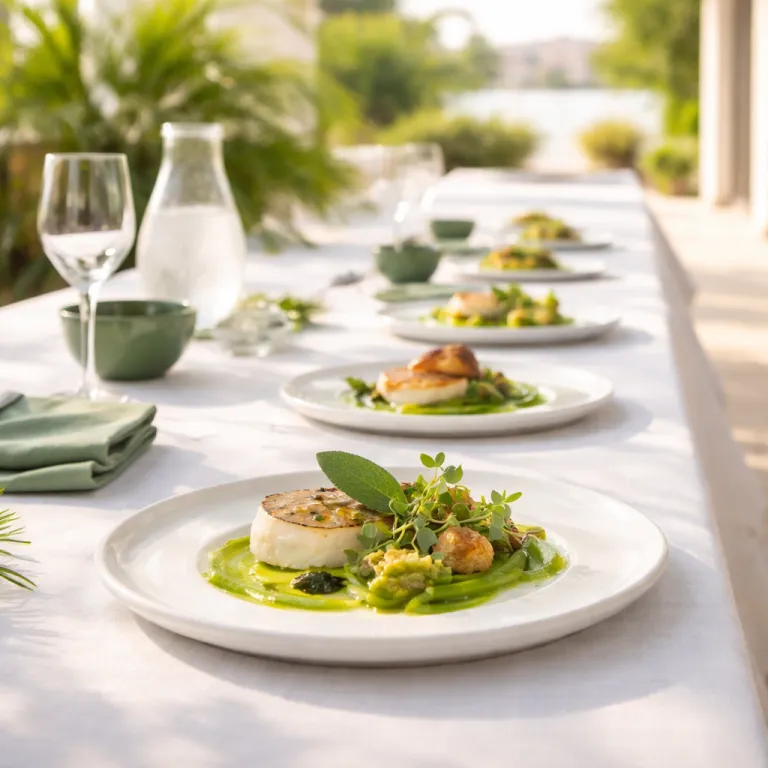
When all-inclusive resort fine dining becomes the reason to travel
The strongest luxury inclusive resorts treat food as the main storyline, not a cost to be contained. At this level, a high-end all-inclusive culinary program should feel like a destination restaurant collection that happens to come with a room, a beach setting and a pool you may barely reach between courses. Your test is simple yet demanding: would the chef’s tasting menu alone justify the flight, even if the beach, the bar and the suite vanished from the equation.
Across the Caribbean and México, couples now book a resort primarily for its cuisine, then check whether the beach is calm enough for a morning swim. In Riviera Maya, for example, grand properties such as Grand Velas have elevated the idea of an inclusive menu into a multi-restaurant ecosystem, where a tasting menu at Cocina de Autor sits beside relaxed breakfast and lunch service on the terrace. This shift mirrors a wider trend in luxury travel where restaurants and bars act as shared third spaces for guests and locals, rather than captive dining options hidden deep inside a gated location.
When you browse a booking website, look for language that treats dining as an experience, not a line item. A serious gastronomic program at an all-inclusive resort will name its executive chefs, reference partnerships with local farmers and seafood suppliers, and explain how breakfast, lunch and dinner services differ in tone. If the restaurant descriptions lean only on generic phrases like international buffet, premium cocktails and themed nights, you are probably not looking at the best culinary-led beach resort for a romantic escape.
Reading the menu before you book the resort
Before you commit to any inclusive resorts, study the online menu pages with the same care you would give to a Michelin-starred restaurant in a city you love. A credible all-inclusive resort fine dining program publishes sample menus for breakfast, lunch, dinner and late-night snacks, with clear notes on dietary options and the dress code for each venue. When a resort hides its menus behind logins or vague promises of international cuisine, treat that as an early warning sign.
Start with the flagship restaurant, then work across the dining options to see how the food narrative evolves. At Grand Velas Riviera Maya, for instance, the Cocina de Autor concept signals ambition: the name alone tells you that the chef intends a personal, author-driven cuisine rather than a safe hotel standard. A typical tasting menu there might move from a small plate of local ceviche with Mexican corn tostadas to slow-cooked short rib with cacao jus, ending with a dessert built around tropical fruit and Caribbean rum. In recent seasons, sample menus have listed dishes such as smoked octopus with hoja santa and a corn espuma, or a plant-based tasting sequence built around heirloom tomatoes, avocado and amaranth. When a property offers a tasting menu at this level, the wine pairing list, the bar program and the sourcing of ingredients should all feel coherent, from Mexican corn varieties to Caribbean inclusive rum selections.
Next, check how many restaurants the resort operates and how they are positioned. Luxury inclusive resorts now average around six restaurants per property, according to Hospitality Net and WATG Advisory, and a strong all-inclusive resort fine dining setup will ensure that each restaurant has a distinct identity rather than repeating the same food with different décor. Look for a balance between relaxed beach grills in locations such as Cancún or Punta Cana and more formal dining rooms where a tasting menu, a defined dress code and a quieter atmosphere support a slower, more intimate experience.
Named chefs, in-house brigades and the tasting menu benchmark
One of the sharpest ways to judge all-inclusive resort fine dining is to examine who actually cooks your food every night. Some beach resort properties lean on named chef residencies, flying in Michelin-level talent for short seasons, while others invest in a permanent in-house brigade that lives on site and refines the menu year round. Each model can work, but for couples seeking consistency, an embedded team often delivers a more reliable tasting menu across breakfast, lunch, dinner and special events.
Named chef residencies can create headline moments, especially in destinations such as Los Cabos, Cap Cana or the Dominican Republic where the local audience will travel for a single restaurant experience. However, when the star chef leaves, the resort must rely on its core brigade to maintain standards, and this is where you should look closely at training, produce provenance and wine list depth. A property like Jade Mountain in the Caribbean or The Brando in French Polynesia shows how an in-house team, deeply connected to local farmers and fishermen, can sustain a fine dining program that feels both grand and intimate. As one executive chef at a Saint Lucia resort described it in a 2023 Hospitality Net interview, the goal is to “treat every plate as if it were the only one leaving the kitchen that night,” a mindset that tends to separate true gastronomic resorts from the rest.
When you read about inclusive cuisine on a booking site, search for details about the kitchen structure. Does the resort mention an executive chef by name, outline the philosophy behind the tasting menu and explain how the bar collaborates on cocktails that match the food. If the copy only highlights a generic gourmet inclusive promise without naming the people or the process, the all-inclusive resort fine dining may be more marketing than lived experience.
Provenance, wine lists and the quiet power of the bar
Two fast credibility checks can help you separate marketing from mastery in all-inclusive resort fine dining. First, examine how the resort talks about sourcing: serious properties reference local fishermen, regional farms and seasonal markets, especially in food-rich areas such as Cancún, Riviera Maya, Los Cabos and Punta Cana. Second, read the wine and cocktails list with the same care you give to the restaurant menu, because a thoughtful bar program often signals a thoughtful kitchen.
In places like Cap Cana or the wider Dominican Republic, a beach resort that highlights Caribbean inclusive ingredients such as local cacao, rum and tropical fruit in both cuisine and cocktails is usually paying attention behind the scenes. Look for mentions of Mexican wines in Mexican restaurants, grower Champagne in the grand dining room and agave spirits that go beyond the standard labels in the bar. When a resort invests in a deep cellar and trains its dining staff to guide pairings, the tasting menu tends to show similar ambition and precision.
Remember that restaurants and bars now act as social hubs where guests and locals live side by side for an evening. Properties such as Nihi Sumba or Live Aqua in México design their dining options so that you might come for breakfast with ocean views, then return for dinner at the same location transformed by candlelight and a more formal dress code. If the resort positions its bar merely as a place for quick inclusive cocktails rather than a crafted experience, the overall all-inclusive resort fine dining program may lack the depth you are seeking.
Supplements, reservation rules and the reality of inclusive pricing
Even at the best inclusive resorts, the promise of all-inclusive resort fine dining can be blurred by supplements and reservation rules. Some properties apply what feels like a reservation tax, charging extra for prime-time tables, certain tasting menu experiences or access to a Michelin-inspired restaurant within the same resort. This can be defensible when the experience involves rare ingredients, a true Michelin-starred guest chef or extremely limited seating, but it should always be transparent before you book.
When you review a resort’s dining options, pay attention to how often the word inclusive appears beside the restaurant descriptions. If breakfast and most lunch and dinner services are fully included, but the flagship fine dining venue carries a clear supplement, you can decide whether that premium aligns with your priorities as a couple. Caribbean Journal has reported examples where a special tasting menu might carry a supplement of around US$40–US$60 per person, which many guests accept when the value is obvious. The key is clarity: hidden surcharges on cocktails, unexplained fees for certain menu items or strict limits on à la carte orders can quickly erode trust in the overall food program.
Reservation policies also reveal how a resort values its guests’ time and spontaneity. Many high-end properties in Cancún, Riviera Maya, Los Cabos and the Dominican Republic require advance bookings for their grand restaurants, especially on weekends or at smaller locations such as Cap Cana. As long as the system is fair, the dress code is communicated and the inclusive nature of the cuisine is respected, these rules can actually protect the quality of your all-inclusive resort fine dining experience rather than restrict it.
Caribbean and Mexican benchmarks for culinary led inclusive resorts
Across the Caribbean and México, a handful of inclusive resorts now set the standard for all-inclusive resort fine dining. In Riviera Maya, Grand Velas has become a reference point, with Cocina de Autor offering a tasting menu that many guests would happily book even without the room, the pool or the beach. The same region hosts properties such as Live Aqua, where the focus on Mexican cuisine, thoughtful cocktails and a relaxed yet precise dress code shows how a beach resort can feel both easygoing and gastronomically serious.
Further afield, Jade Mountain in Saint Lucia and The Brando in French Polynesia demonstrate how a resort can weave local food culture into every meal, from breakfast on the terrace to intimate dinner services under the stars. In the Dominican Republic, areas like Punta Cana and Cap Cana now host Caribbean inclusive properties where the restaurant count, the bar program and the sourcing of ingredients rival urban fine dining scenes. Even brands known for scale, such as Sandals Royal in various Caribbean locations, have invested heavily in elevating their cuisine, adding more à la carte restaurants, stronger wine lists and chef-led concepts.
When you compare these benchmarks to other inclusive resorts in Cancún, Los Cabos or the wider Caribbean, use concrete criteria. Count how many restaurants operate, read at least one full menu from each, check whether the resort names its executive chefs and note how often local ingredients appear in the descriptions. If the property passes these tests and treats food, wine and cocktails as central to the experience rather than background amenities, you are likely looking at an all-inclusive resort fine dining program worthy of your next romantic trip.
Key figures that frame all-inclusive resort fine dining
- Luxury all-inclusive properties now average around six restaurants per resort, giving couples a genuine choice of dining options across their stay, according to Hospitality Net and WATG Advisory analyses of resort food and beverage trends published between 2021 and 2023.
- Roughly three quarters of high-end inclusive resorts offer at least one venue positioned as fine dining, based on combined reporting from Hospitality Net, Caribbean Journal and WATG Advisory in articles released from 2020 to 2023, although the quality and authenticity of these experiences vary widely.
- Typical service windows run from about 7.00 to 10.00 for breakfast, 12.00 to 15.00 for lunch and 18.00 to 22.00 for dinner, with room service and bar snacks extending the food offering beyond core hours, according to scheduling data summarized in Hospitality Net’s 2022 resort operations review.
Essential questions about all-inclusive resort fine dining
Do all-inclusive resorts genuinely offer fine dining experiences
Many luxury inclusive resorts now offer fine dining, but the standard varies significantly between properties and even between restaurants within the same resort. The most reliable indicators are named executive chefs, detailed menus, clear sourcing information and a wine list that feels curated rather than generic. When these elements align, the all-inclusive resort fine dining experience can match or surpass independent city restaurants.
Is fine dining usually included in the all-inclusive price
In many high-end inclusive resorts, at least one fine dining restaurant is fully included in the nightly rate, while others may apply supplements for tasting menus, premium ingredients or special events. Transparent pricing on the booking page and in the menu is crucial, so you should always check which venues and dishes are genuinely inclusive before you arrive. When supplements are clearly explained and limited to exceptional experiences, they can coexist fairly with an otherwise comprehensive all-inclusive offer.
Are reservations and dress codes common for resort fine dining
Reservations are typically required for the most sought-after restaurants, especially in smaller resorts or during peak seasons in destinations such as Cancún, Riviera Maya, Los Cabos and Punta Cana. Smart casual dress codes are standard in fine dining venues, with long trousers or elegant dresses requested for evening service while beachwear remains acceptable in daytime restaurants. Respecting these policies helps maintain the atmosphere and service level that make all-inclusive resort fine dining feel truly special.
Can all-inclusive resorts handle dietary restrictions without lowering quality
Most serious luxury inclusive resorts can accommodate dietary restrictions, from vegetarian and vegan preferences to gluten-free or allergy-sensitive menus, as long as they are informed in advance. The strongest properties integrate these needs into their cuisine rather than treating them as afterthoughts, offering dedicated menu sections and trained dining staff who understand cross-contamination. When handled well, this attention to detail enhances both trust and the overall fine dining experience for every guest.
References
- Hospitality Net – analysis of luxury food and beverage trends in resort settings, including restaurant counts and the rise of chef-driven concepts, with key articles published between 2021 and 2023 in its resort operations and F&B trend series.
- Caribbean Journal – reporting on new Caribbean and Mexican resort openings with a culinary focus and examples of tasting menu supplements, particularly in features and reviews from 2020 to 2023 covering Riviera Maya, Cancún, Punta Cana and Cap Cana.
- WATG Advisory – strategic insights on how food and beverage programs differentiate modern resorts and support fine dining positioning, summarized in advisory papers on integrated resort design and F&B strategy released from 2019 to 2022.