The new language of all-inclusive resort design
Walk into any inclusive resort lobby and the design speaks immediately. Modern all inclusive resort design has shifted toward quiet luxury, where every surface, ceiling line and material choice signals how seriously the property treats its guests. For solo travelers who plan each night with care, this language of space becomes the most reliable filter long before the first cocktail arrives.
Across the best luxury resort projects in Cancún, Cabo San Lucas and the Dominican Republic, architects now integrate local culture with contemporary resort design rather than pastiche. A 2023 Global Hospitality Data briefing on leisure resorts notes that high performing inclusive properties consistently emphasize luxury, local culture and distinctive experiences, and this is visible in everything from stone provenance to how rooms and suites connect to the landscape. When you compare a beach resort in Punta Cana with a property in Los Cabos or Playa Mujeres, the most telling differences often lie not in the pool list or restaurant count, but in how the inclusive resort layout manages light, air and sound for every guest.
Designers and brands use advanced construction techniques, sustainable materials and innovative design software to shape this new generation of inclusive resorts. Partners such as local artisans, renowned architects and hospitality brands collaborate so that guests enjoy both cultural immersion and comfort without visual noise. When you evaluate any luxury resort, look for whether the resort offers a coherent narrative from lobby to infinity pool, because fragmented aesthetics usually translate into fragmented service and a weaker overall experience.
Glossary of design tells: what serious resorts get right
Certain design details repeat across the best inclusive properties, whether you are in Cancún inclusive complexes or a quieter corner of Cabo San Lucas. Ceiling height is the first tell, because generous vertical space in lobbies and key rooms and suites allows air to circulate and sound to dissipate rather than bounce harshly. When a luxury resort compresses ceilings in corridors or restaurants, you often feel the crowding long before you notice any service shortfall.
Material provenance is another reliable signal in all inclusive resort design, especially in destinations such as the Dominican Republic, Punta Cana or Playa Mujeres. Stone that matches local geology, timber that feels substantial underfoot and textiles that reference regional craft show that the resort design team invested in authenticity rather than generic catalog choices. By contrast, when every surface in an inclusive resort shines with the same anonymous gloss, you can expect a similarly standardized experience that rarely rewards curious solo travel.
Lighting layers complete this quick diagnostic toolkit for guests who value nuance. Hospitality Net case studies on luxury all inclusive properties repeatedly highlight three distinct layers in public areas of inclusive resorts: soft ambient light, focused task lighting and warm accents that highlight art or landscape rather than liquor bottles alone. If you are choosing an adults only sanctuary, this kind of intentional lighting often separates a grown up all inclusive from the rest, and you can explore that difference in more depth through this guide to what actually defines a sophisticated adults only inclusive experience during an all inclusive stay.
Space, ratios and the thatched roof trap
One of the most honest measures of any resort is the ratio between rooms and suites and common areas. When an inclusive resort squeezes hundreds of keys around a single main pool and buffet, the design is telling you that volume matters more than serenity. Solo travelers who prize calm should instead seek properties where circulation spaces, lounges and quiet corners feel almost generous relative to the guest count.
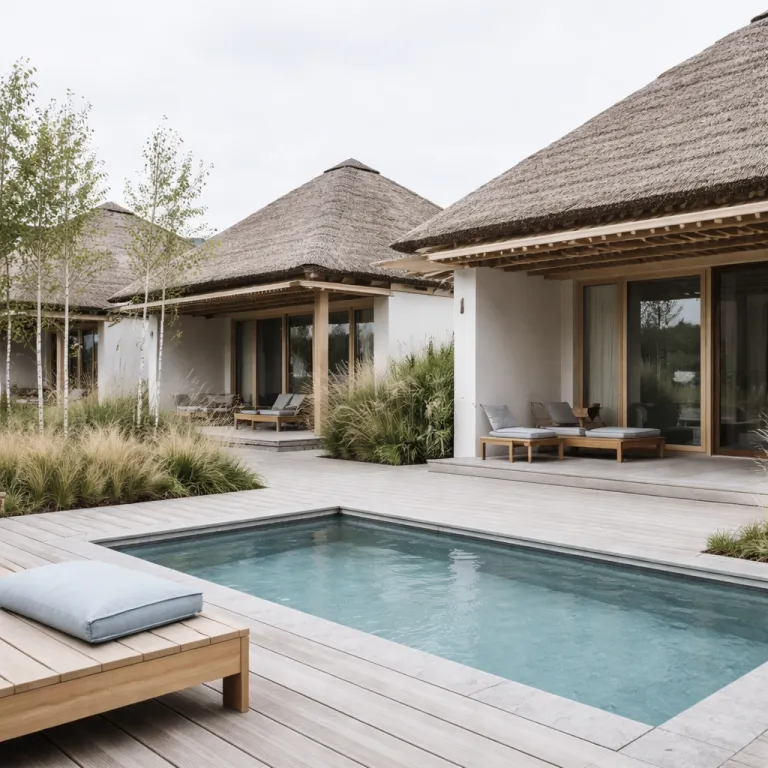
The thatched roof aesthetic illustrates how easily traditional motifs can slide into theme park territory. In destinations such as Cancún, Punta Cana or Cabo San Lucas, palapa roofs and rustic timber can either frame a refined beach resort or create a caricature of tropical life, depending on scale and detailing. When every bar, lobby and restaurant repeats the same oversized thatch without variation, you are likely in a property that sells a postcard rather than a place, and the all inclusive resort design will probably age quickly.
By contrast, look at how reference properties such as The Brando in French Polynesia or Soneva Fushi in the Maldives integrate bungalows and open air minimalism into their resort design language. Their use of natural materials, controlled sightlines and acoustic buffers shows how inclusive resorts can feel both immersive and calm without resorting to clichés. For travelers comparing a Cancún bay all inclusive hotel escape, a detailed guide on choosing a refined Cancún inclusive stay on an all inclusive stay can help you read these spatial decisions before you even book flights, and it will sharpen your eye for quality across other regions too.
Three diagnostic spaces: lobby, pool deck and bathroom
When you arrive at any inclusive resort, three spaces reveal the property’s priorities within minutes. The lobby sets the tone through acoustics, seating density and how natural light is handled across day and night. If the first impression is a wall of sound and a check in queue snaking past the bar, you are probably in a volume driven operation rather than a carefully curated luxury resort.
Next, walk to the main pool deck and pause before you judge the scene. In high quality inclusive resorts, the pool layout balances social energy with pockets of privacy, often through planting, level changes and the placement of an infinity pool away from the loudest activities. When every lounger is crammed edge to edge and speakers dominate the soundscape, the resort offers spectacle rather than rest, which may suit some nights but rarely rewards a solo explorer seeking depth.
Finally, the bathroom inside your rooms and suites is the most intimate expression of all inclusive resort design. Look for real stone or solid surfaces, good water pressure, separate wet zones and lighting that flatters rather than interrogates, because these details show respect for how guests experience their own rituals. If you are curious how major brands are rethinking these fundamentals, a WATG Advisory note on integrated resort models and an analysis of why Park Hyatt, W and JW Marriott are now betting on the wristband model for all inclusive stay formats explain how design, service and pricing are converging in the next generation of inclusive resorts.
Reference properties and how to read brand signatures
Certain properties have become design reference points for travelers who read spaces as carefully as menus. The Brando demonstrates how a resort can integrate villas into the landscape so discreetly that the beach resort feels almost untouched, while still delivering a fully inclusive resort experience. Soneva Fushi shows how open air minimalism, sand floors and carefully tuned acoustics can create a sense of barefoot luxury that many inclusive resorts in Cancún or Cabo San Lucas try to emulate without always understanding the restraint involved.
Jade Mountain in Saint Lucia offers another lesson for solo travelers evaluating all inclusive resort design from afar. Its dramatic open wall rooms and suites, private infinity pool sanctuaries and rigorous material palette prove that strong resort design can be both theatrical and deeply restful when every line serves the view. When you compare this to louder properties in Punta Cana or Los Cabos, you start to see how some inclusive resorts chase spectacle while others choreograph stillness, and that distinction should guide where members book their next stay.
Brand signatures matter as well, especially in destinations with dense competition such as Cancún or Playa Mujeres. Hilton Cancún, designed by SB Architects, leans into modern sophistication with clean lines and layered outdoor spaces, while AVA Resort Cancún by Boris Peña Architects uses a chic coastal aesthetic to frame both social and private zones. Temptation Resort Cancún, shaped by designer Karim Rashid with sensual minimalism, shows how even a party forward inclusive resort can use color, curves and acoustics intentionally, and these contrasting examples help guests enjoy a more informed, design led travel experience across the inclusive spectrum.
How to apply this design lens when you plan your stay
Reading all inclusive resort design from photos and floor plans is a skill any traveler can practice. Start by counting how many distinct pool environments appear in imagery, then compare that to the stated room count to estimate how crowded each area might feel at peak times. Properties that aim to be the best inclusive options for discerning guests usually show multiple water zones, from a social main pool to quieter corners and at least one adults oriented infinity pool.
Next, study how the resort presents its rooms and suites and circulation spaces online. If every image focuses on the same angle of the bed and balcony without showing corridors, lobbies or transitional areas, the design story may be weaker than the marketing suggests. By contrast, when a luxury resort shares views of shaded walkways, calm lounges and thoughtfully lit restaurants, you can infer that the resort offers a more coherent, guest centered experience across both day and night.
Finally, pay attention to how brands describe their own inclusive resorts in destinations such as Punta Cana, Playa Mujeres, Los Cabos or the wider Dominican Republic. When a property like Excellence Playa Mujeres emphasizes privacy, local materials and sensory comfort alongside dining and activities, that alignment usually reflects a deeper design philosophy. As you plan future travel, use these design points as a checklist, and you will quickly separate the merely inclusive from the truly considered, even before you step onto the sand in Cancún, Cabo San Lucas or any other coastal resort.
FAQ
What defines an all inclusive resort compared with a regular hotel ?
An all inclusive resort is a property that offers lodging, meals, drinks and many activities for a fixed price, so most on site costs are covered upfront. This model allows guests to enjoy dining, entertainment and recreation without calculating every extra charge. For design focused travelers, it also means the resort layout must support full day living, from quiet mornings to late night experiences, within a single cohesive environment.
How are modern all inclusive resorts designed to feel more luxurious ?
Modern all inclusive resort design integrates local culture, high quality materials and curated experiences rather than relying on generic themes. Architects use sustainable materials, advanced construction techniques and careful acoustic planning to create calm, layered spaces where guests enjoy both privacy and connection. Many new luxury resort projects now track light, air and sound as seriously as room counts, because sensory comfort has become a measurable differentiator.
Which spaces should I check first when I arrive at a resort ?
The lobby, pool deck and bathroom in your room are the fastest diagnostic spaces for understanding any inclusive resort. In the lobby, notice ceiling heights, noise levels and how people flow through check in and lounge areas. At the pool and in the bathroom, look for thoughtful zoning, quality materials and lighting that supports relaxation, because these details reveal how much the resort design team values guest comfort.
How can I evaluate resort design quality before I book ?
Use photos, floor plans and guest reviews to read the design language from a distance. Count how many distinct pool and lounge areas exist relative to the number of rooms and suites, and look for images of corridors, lobbies and quiet corners, not just hero shots of the beach. When a property shows varied, well proportioned spaces and emphasizes both privacy and social areas, it usually indicates a stronger all inclusive resort design.
Why does acoustic design matter so much in inclusive resorts ?
Because inclusive resorts concentrate dining, bars and activities on a single property, poor acoustic planning quickly leads to constant background noise. Good resort design uses materials, ceiling shapes and landscaping to absorb or redirect sound, so that guests can choose between lively and quiet zones. For solo travelers and couples, this often makes the difference between a stay that feels restorative and one that feels crowded, even when occupancy levels are similar.
References
Hospitality Net ; WATG Advisory ; Global Hospitality Data.