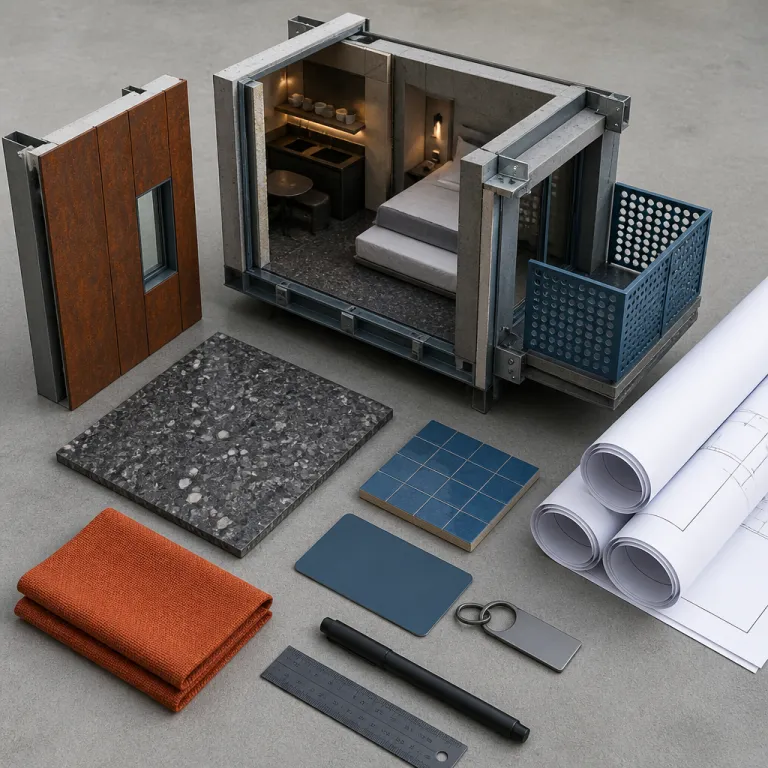
From hotel room to resort residence: why extended suites matter
Luxury all inclusive hotels are quietly rewriting their floor plans. As extended stay demand rises, architects and resort developers now treat every hotel room as a potential residence for guests who stay longer and live differently. The result is a new generation of hotel suites where ample space, layered privacy and residential amenities replace the old short term efficiency model.
This shift is not theoretical; hospitality data shows extended stay bookings rising by about a quarter, while average suite size has increased by roughly thirty percent in leading stay hotels. For example, STR’s 2023 Extended Stay Report (Extended-Stay Supply Growth and Performance, pp. 6–9) notes that extended stay supply grew faster than overall hotel inventory in Europe, while CBRE’s 2022 Americas Hotels Forecast (Extended-Stay and All-Suite Hotels, pp. 14–17) highlights higher occupancy and longer average length of stay in extended stay brands. When hotels extended their footprint in this way, they unlocked room configurations that support both a ten night holiday and a three week remote working escape. For families, that means a stay hotel can finally feel like an apartment style base rather than a beautiful but cramped bedroom with a minibar.
Resort developers, architects and guests now act almost like partners in this redesign. Developers brief architects to integrate residential living features, while guests reward the properties whose suites extend beyond the usual template with longer stays and higher monthly rates. In this context, the phrase extended stay all-inclusive suite design describes not a marketing label but a complete rethinking of how a hotel, its suites and its services work for people who stay long and live fully on property.
The Sani Suite Collection and the new language of space
Nowhere is this clearer than in the Sani Suite Collection upgrades across the Mediterranean. The resort’s design équipe has treated extended stay all-inclusive suite design as an architectural brief, refining circulation, storage and light so that guests can stay long without feeling boxed in. Corridors have been shortened, thresholds softened and living zones clarified, which makes a ten night stay feel like moving into a thoughtfully planned apartment style home.
In these hotel suites, the bedroom is no longer the only meaningful room; instead, a generous living area, dining corner and sometimes compact kitchens create a full daily rhythm for families. A typical two bedroom Sani suite, for instance, offers around 80 to 90 square metres of indoor space plus a terrace, with a separate lounge that can double as a workspace. Parents can work at a proper desk with high speed connectivity while children play in the living space, and grandparents rest in a quieter bedroom wing. As one architect on the project notes, “we wanted a family of five to unpack once and genuinely live here for three weeks.” This is multigenerational hospitality translated into square metres, not slogans, and it shows how hotels offer more than just upgraded amenities when they commit to longer stays.
The Sani team has also leaned into acoustic comfort and natural light, echoing the broader movement toward curated silence and airy interiors explored in our guide to quiet, volume driven resort design. By aligning extended stay layouts with this softer design language, stay hotels can keep suites bright, calm and flexible over a full term visit. For travellers comparing rates, that combination of space, serenity and function often matters more than another line of services on the brochure.
What residential really means in an all inclusive suite
For families weighing where to book, the phrase residential living can sound vague. In the context of extended stay all-inclusive suite design, it means specific features that turn a hotel into a workable home for both short and long term trips. Think full kitchens or at least well equipped kitchenettes, proper dining tables, washer dryers, and storage that can swallow two weeks of children’s clothes without invading the living area.
Resorts that take this seriously often design separate sleeping zones so that a child’s bedroom can go dark early while adults still enjoy the living room. Sliding panels, pocket doors and subtle level changes create privacy barriers without sacrificing the sense of ample space that defines the best suites extended for families. When hotels extended their layouts in this way, they also made it easier to integrate pet friendly policies, because an apartment style plan handles a dog bed and stroller far better than a classic single volume hotel room.
Services and amenities then layer onto this residential shell. Daily housekeeping shifts to a lighter touch for guests who stay longer, while laundry services become optional rather than essential thanks to in room machines and drying space. Many stay hotels now pair these features with practical perks such as free breakfast, high speed Wi Fi and flexible monthly rates, so that a stay long booking feels financially and functionally closer to leasing a serviced apartment than to repeating a series of short term hotel nights.
Multigenerational layouts and the economics of staying longer
Multigenerational travel has become the quiet engine behind many extended stay suites. When three generations share one address, the design challenge is to give each group a bedroom retreat while maintaining a generous shared living core. The best hotel suites now solve this with L shaped plans, dual master bedrooms and a central lounge that opens to a terrace or garden, so grandparents, parents and children can all move between privacy and connection.
From the resort’s perspective, this configuration changes the revenue maths. A larger suite with extended stay all-inclusive suite design may occupy more square metres, but when it attracts longer stays at stable rates, the revenue per square metre over a month can surpass that of smaller, constantly turning rooms. A family might pay a higher nightly rate for a three bedroom suite yet secure a lower effective rate by booking for three weeks instead of ten nights, while the resort benefits from reduced turnover costs and steadier occupancy. Hospitality brands and real estate partners have noticed that when guests book for a full term, they tend to spend more calmly on spa, activities and premium dining, because the cost of the room has already been rationalised.
Industry research backs this strategic pivot with clear data. One widely cited set of hospitality figures notes an average suite size increase of about thirty percent in properties targeting extended stay guests, alongside a roughly twenty five percent rise in extended stay bookings. STR’s 2023 Global Hotel Study (Extended-Stay and Serviced Apartment Performance, pp. 22–25) and CBRE’s hotel outlooks (US Lodging: Extended-Stay and All-Suite Segment, pp. 10–13) both underline how extended stay and serviced apartment style products outperform traditional rooms on length of stay and resilience. As one concise definition puts it, “What are extended-stay suites? Larger resort accommodations with residential features.” and “Why choose an extended-stay suite? For longer stays with home-like amenities.”; those two sentences capture why hotels extended their design thinking and why families now treat a stay hotel as a viable base for a full season.
Slow travel, landscape and how to choose your extended stay suite
Remote work, digital nomad couples and longer retirement trips have turned the ten night holiday into a starting point rather than a ceiling. When people plan to stay long, they look for suites where extended stay all-inclusive suite design connects interior living with the surrounding landscape. Wide sliding doors, deep shaded terraces and sightlines that run from kitchen to sea or garden make a hotel feel like a coastal residence rather than a sealed box.
Resorts that understand this often pair swim up suites or private plunge pools with thoughtful interior zoning, so that the living room and bedroom both borrow light and air from the outdoors. In some suites, architects use planted courtyards and double height glazing to bring the environment into the heart of the apartment style plan, which keeps longer stays from feeling static. This approach aligns with the broader movement toward quiet, breathable interiors discussed in our feature on curated silence as a design language, where air, acoustic volume and filtered light become core amenities.
For travellers comparing stay hotels, a simple process helps. Research suite options carefully, check for genuinely residential amenities such as full kitchens, washer dryers and flexible monthly rates, and inquire about any extended stay packages that include free breakfast, high speed connectivity or join free loyalty benefits. Not all hotels offer this level of integration, and not all resorts provide true extended stay suites, so asking precise questions about room layout, services and term flexibility remains the most reliable way to book a stay longer that feels like moving into a well designed resort home.
FAQ
What exactly is an extended stay all inclusive suite ?
An extended stay all inclusive suite is a larger hotel room or suite designed for guests who plan to stay longer than a typical holiday. It usually includes apartment style features such as a separate bedroom, a defined living area and often full kitchens or kitchenettes. In luxury all inclusive hotels, these suites also integrate services and amenities like housekeeping, free breakfast and high speed Wi Fi into a single, predictable rate.
How is an extended stay suite different from a standard hotel room ?
A standard hotel room is optimised for short term stays, with one sleeping space and limited storage. An extended stay suite offers ample space, separate zones for sleeping and living, and often in room laundry and cooking facilities that support daily routines over a longer term. This extended stay all-inclusive suite design allows families, remote workers and multigenerational groups to live more comfortably without feeling confined.
Do all all inclusive resorts offer extended stay suites ?
Not every resort has invested in this type of layout. Some hotels offer only traditional rooms, while others have a mix of standard hotel room categories and fully residential style suites extended for longer stays. When you book, ask specifically whether the property has extended stay suites with kitchens, separate bedrooms and flexible monthly rates, because availability varies widely between brands and destinations.
Why should a family choose an extended stay suite for a holiday ?
Families benefit from the extra bedroom privacy and the ability to maintain routines such as early bedtimes, home style meals and quiet work hours. Extended stay all-inclusive suite design gives parents and children their own spaces while keeping everyone connected through a shared living area and terrace. Over a ten night or longer stay, that separation and flexibility usually matters more than an extra on site restaurant or another short list of services.
How can I evaluate whether a suite will work for a longer stay ?
Start by studying the floor plan and checking that the suite offers a true living room, a distinct bedroom and, ideally, some form of kitchen. Look for mentions of apartment style features, in room laundry, pet friendly policies and high speed connectivity, then compare the rates for nightly versus monthly stays. If the resort can explain how its extended stay suites are designed for guests who stay long, you are likely looking at a property that has embraced this new residential approach to all inclusive hospitality.