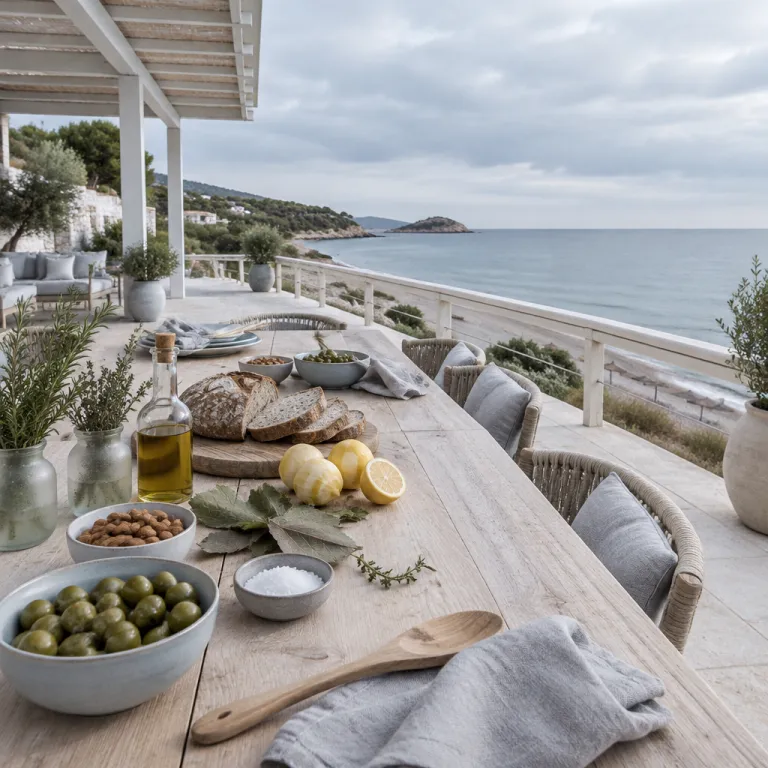
Why autumn is the Mediterranean’s quiet luxury sweet spot
For families who can travel outside school breaks, the autumn Mediterranean all-inclusive shoulder season is a rare gift. This is the time of year when the same coastline that feels frantic in summer relaxes into a softer rhythm, and the best resorts finally have the space to show you how they operate without peak season pressure. You still enjoy warm seas and mild temperatures, yet you move through lobbies, pools and kids’ clubs with noticeably fewer crowds.
Think of late September and October as the shoulder months that frame the classic high season, not as an afterthought. In these autumn weeks, the weather in much of the Mediterranean stays reliably pleasant, with daytime highs often around 22–25°C (72–77°F) and sea temperatures near 21–23°C (70–73°F) in places like Mallorca or Crete. Such mild weather suits younger children and older grandparents far better than the fierce August sun. Crowd levels fall, staff have more time for genuine interaction, and inclusive experiences feel tailored rather than mass produced.
For many premium families, this is the best time to test whether a property truly delivers luxury travel standards. When the peak season rush has eased, you see how a resort handles details such as à la carte dining, poolside service and kids’ programming without hiding behind the excuse of summer crowds. The October shoulder season becomes a live stress test, revealing which resorts operate at a high level year round and which only shine on the brochure.
Weather remains central to the autumn argument, especially for parents weighing a Mediterranean cruise against a land-based stay. Sea temperatures in destinations like the Balearic Islands, the Aegean and the Ionian remain warm enough for swimming, while the air offers mild conditions ideal for coastal walks and vineyard visits. Compared with a Caribbean itinerary at the same time of year, you often gain more stable conditions for outdoor activities, even if the marketing noise is louder across the Atlantic.
How shoulder season changes the all-inclusive equation for families
In the height of summer, many Mediterranean resorts lean heavily on volume-driven buffets and crowded pool decks. Shift your travel to the quieter autumn period, and the same inclusive concept can feel almost bespoke, with calmer restaurants, shorter queues and staff who remember your children’s names. This is when the European model of all-inclusive, often more culinary-led than a Caribbean megaresort, comes into its own.
October is the month when harvest menus appear, and the best time to appreciate regional cuisine without fighting for a table. In Greece, you might find slow-cooked lamb with late-season tomatoes at a resort on Rhodes or Corfu, while on Spain’s Costa del Sol chefs work with local olive oil and just-landed seafood in tasting menus that feel far removed from peak season buffets. Families who value food as part of their luxury travel experience will notice how the kitchen performs when it is not serving at full high-season capacity.
Children’s clubs also change character once the peak season ends and crowd levels drop. With fewer guests, activities become calmer, staff can adapt sessions to individual ages, and shy children often engage more readily in small groups. Parents gain the rare sweet spot of meaningful downtime while still feeling that their children are not lost in a sea of wristbands and noise.
There is a useful comparison here with refined all-inclusive stays in Mexico, such as the elegant all-inclusive hotels in Tulum that many premium families consider for spring or winter breaks. Those Caribbean properties can be superb, yet they rarely offer the same proximity to historic cities, vineyards and cultural sites that you reach within an hour in much of the Mediterranean basin. During the autumn shoulder season, you can combine warm seas and inclusive comfort with day trips to museums, archaeological sites and markets that feel blissfully uncrowded.
Judging a resort by its October performance, not its August brochure
One of the most effective ways to assess a property is to see how it behaves outside the absolute peak season. In the quieter months of October and early November, you notice whether management keeps multiple à la carte restaurants open, whether the spa still runs a full schedule, and whether the kids’ club maintains a rich activity calendar. A resort that sustains this level of service in the shoulder season is far more likely to deliver consistent quality across the whole year-round cycle.
Families should pay attention to how inclusive really feels once the summer rush has gone. Are premium drinks, non-motorised water sports and evening shows still part of the package, or does the resort quietly scale back after the peak season ends? When you compare options, ask directly about what operates in the autumn months, and request a clear list of what is included at that specific time.
There is also a financial dimension to this timing strategy that matters for premium families who travel often. Booking during shoulder months can unlock sharper value, especially when you combine flexible dates with loyalty currencies, as explored in this analysis of how loyalty points are rewriting when and where insiders lock in an all-inclusive stay on all-inclusive-stay.com. By shifting even one family trip from high season to an October Mediterranean escape, you often free budget for a second break, whether that is a spring holiday or a short cruise itinerary.
Some families will still weigh a Mediterranean cruise against a land-based resort stay in this period. A cruise route in October can be appealing, but you should compare the real inclusive value against a well-run coastal property where you are not paying extra for every shore excursion or specialty restaurant. When you judge both options by their shoulder season offering, rather than glossy peak season marketing, the land-based resort often emerges as the more relaxed and transparent choice.
The honest trade-offs: light, weather, and what may be closed
Autumn in the Mediterranean brings a different kind of beauty, but also a different rhythm. Days are shorter, the sun sits lower, and the golden-hour light that washes over stone villages and harbours becomes part of the reason many seasoned travellers call this the best time to be here. Yet families need to understand how the October shoulder season changes the daily pattern of resort life.
Pool complexes may operate with reduced hours, and some seasonal beach clubs, rooftop bars or water parks close once the main summer season passes. In certain resorts, one or two restaurants might rotate opening nights during the shoulder season, so it is worth checking how that affects your preferred dining times. This is where asking detailed questions before you travel pays off, especially if you are used to the always-on feel of large Caribbean resorts during their own high season.
Weather is the other variable that deserves a clear-eyed view. While mild temperatures and generally settled conditions dominate much of the coastal Mediterranean in October and early November, you should still pack light layers and accept that one or two days may be better suited to spa time or city excursions than to the pool. For many families, this mix of warm seas, cultural options and occasional cosy afternoons indoors is part of the charm of this time of year.
When you compare autumn in the Mediterranean with a Caribbean alternative, remember that both regions have their own shoulder season dynamics. The Caribbean hurricane season overlaps with some of the same months, while the Mediterranean enjoys more stable conditions but gradually cooler evenings, so the best time for you depends on your tolerance for weather risk versus your desire for fewer crowds. If you are curious how other destinations handle inclusive value in different seasons, you can look at how the best all-inclusive stays in the Cancun Hotel Zone manage crowd levels and pricing across the calendar, then apply the same questions to your chosen Mediterranean resorts.
FAQ
Is October a good time for a Mediterranean all-inclusive with children?
October is often the best time for families who can travel outside strict school breaks, because crowd levels are lower and staff have more time for personal attention. Mild temperatures suit younger children better than peak summer heat, and many resorts still run full kids’ club programmes in the autumn shoulder season. You gain warm seas for swimming, calmer pools and a quieter atmosphere that helps children settle into the routine.
How does the autumn Mediterranean all-inclusive shoulder season compare with summer?
Summer brings maximum energy, long days and the highest crowd levels, but it also means higher prices and more competition for sun loungers and restaurant reservations. In the shoulder season around late September and October, you trade a little evening warmth and daylight for fewer crowds, softer light and more attentive service. Many families find this balance of weather, value and space to be the true sweet spot for luxury travel in the region.
Will all facilities be open in October and November?
Most core facilities remain open in October and early November, including main pools, primary restaurants and kids’ clubs, especially at higher-end resorts. Some seasonal venues, such as beach clubs, rooftop bars, water slides or secondary pools, may close or operate on reduced hours once the peak season ends. Always ask your chosen property for a detailed list of what runs during the specific months of your stay in the autumn Mediterranean all-inclusive shoulder season.
Is a Mediterranean cruise or a land based resort better in autumn?
A Mediterranean cruise in autumn offers the convenience of multiple ports, but families should factor in extra costs for excursions and specialty dining. A land-based all-inclusive resort often provides clearer value, with more generous inclusive offerings and the freedom to set your own pace in the shoulder season. For many premium families, the combination of warm seas, mild weather and space to breathe on shore makes a resort stay the more relaxing option.
How far in advance should I book an autumn Mediterranean all-inclusive?
For October stays in sought-after regions such as the Balearic Islands, the Greek islands or the Turkish Riviera, booking three to six months ahead usually secures the best choice of rooms. Because the autumn Mediterranean all-inclusive shoulder season is gaining popularity among experienced travellers, last-minute options can be limited at the top properties. If you are using loyalty points or seeking interconnecting suites for a family, plan on the longer end of that timeframe.