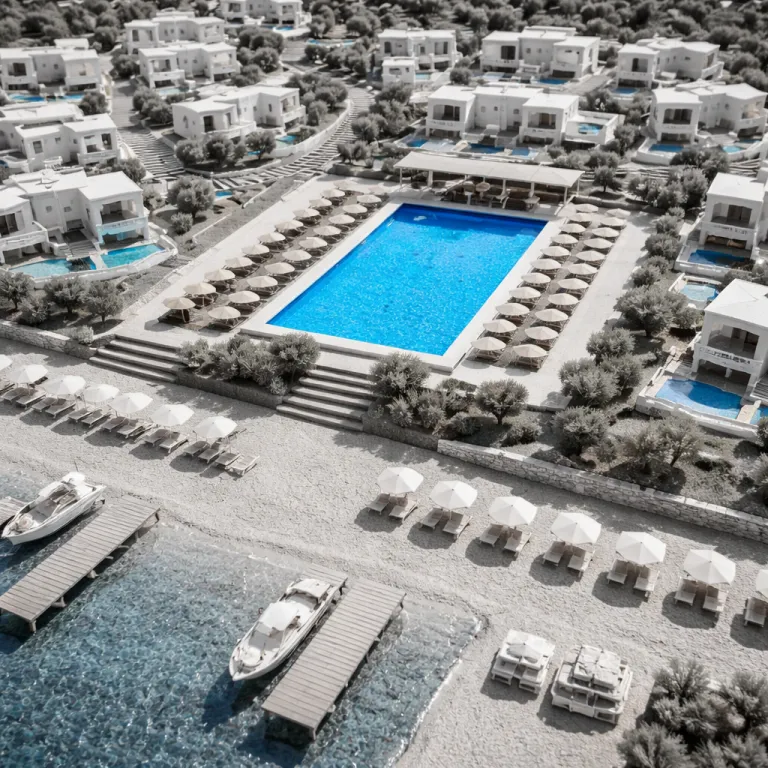
Why european all-inclusive luxury feels different on the Aegean coast
European all-inclusive luxury along the Aegean coast is built on scale, culture, and intent. Where a Caribbean beach resort often functions as a self contained island, the Greek model leans into estate style layouts, local partnerships, and a quieter sense of privilege. You feel it from the moment you book a five star hotel on a pine fringed peninsula instead of a highway strip.
Ikos Resorts and Sani Resort shaped this premium inclusive landscape with a clear philosophy. Ikos runs individual properties, each resort positioned as a self sufficient world with Michelin level menus, a refined resort spa, and curated excursions that keep you connected to local life. Sani, by contrast, operates as a full estate with five hotels, a marina, a nature reserve, and a central village style center of restaurants, bars, and shops.
This structural difference matters when you compare high end European packages to the Caribbean. A Sani hotel or Ikos resort rarely exceeds about 500 keys, so pools, beach areas, and kids clubs feel measured rather than monumental. You still get the best inclusive value, but the experience is closer to staying in friendly hotels that happen to be inclusive hotels than in a mega complex club.
For couples used to long haul flights to a Club Med in the Americas, the Aegean offers a different trip equation. From most European hubs, you reach a Greek inclusive resort in under four hours, often with free checked luggage and short transfers. That time saving alone can be the difference between a rushed three night stay and a relaxed five night European all-inclusive escape.
There is also a cultural layer that Caribbean all inclusive resorts rarely match. Ikos and Sani work with local businesses and international chefs to bring regional cuisine and wine into every restaurant and bar. Guided excursions to ancient sites, markets, and vineyards are not an afterthought but a core part of the inclusive offer, which changes how you think about what the best family or couples stay can be.
Estate model versus property model: Sani, Ikos and the new inclusive class
Understanding european all-inclusive luxury in Greece starts with the estate versus property question. Sani Resort in Halkidiki is the clearest example of the estate model, a coastal enclave where five hotels share a marina, forest trails, and a network of pools, restaurants, bars, and a refined resort spa. You can book one five star hotel or another, but you move through the entire club like a small village.
Ikos Resorts, by contrast, follow a property model that still feels expansive but more self contained. Each Ikos hotel is a standalone inclusive resort with its own beach, pools, spa, and dining, from Ikos Dassia in Corfu, which opened in 2018 with around 400 rooms and suites, to Ikos Andalusia on Spain’s Costa del Sol, launched in 2021 with a similar key count. The brand describes its approach through an “Unconditional Luxury” policy, where à la carte dining, premium drinks, and selected local experiences are included as standard rather than sold as add ons.
For travelers comparing booking options, this structural nuance shapes daily life. At Sani, you might stay at Sani Dunes yet stroll to Sani Asterias for an award winning dinner, then wander the marina before returning to your preferred pool. At an Ikos resort, the focus is on depth within one property, where a resort spa, multiple pools, and a curated set of inclusive restaurants and bars keep everything within a short walk.
Both models sit in a different class from many Caribbean complexes, where the club layout can feel like a small city. Here, european all-inclusive luxury is about walkable distances, a sense of place, and the option to step beyond the gates into local villages. When you read any serious guide to what all inclusive actually means for a premium family vacation, you will see this emphasis on clarity of inclusions and scale highlighted as a key decision point.
Couples weighing a beach resort in Mexico against an Aegean inclusive resort should look beyond headline prices. Estate style properties like Sani often command higher nightly rates but deliver a more intimate feel, while Ikos hotels best suit travelers who want a complete, polished package. In both cases, you are choosing a European style all-inclusive experience where the inclusive promise is about quality, not just quantity.
Michelin track dining, resort spas and why Greece leads the inclusive food game
The most striking shift in european all-inclusive luxury is culinary. Ikos Dassia on Corfu and its sister hotels have made Michelin track dining part of the standard, not a paid upgrade, with menus designed in collaboration with chefs who already hold stars elsewhere. That means your inclusive breakfast, lunch, and dinner can rival the independent restaurants and bars you would otherwise be booking in town.
Greece lends itself to this model because the supply chain is compact and intensely local. Many inclusive resorts on the Aegean coast source seafood, olive oil, and wine from within a short radius, so the food narrative feels grounded rather than generic. When you sit down in a five star hotel restaurant at Ikos Andalusia or Ikos Aria, the sommelier can talk you through regional bottles instead of a standard international list.
Resort spa culture has followed the same path. At properties like Mitsis Laguna Resort and Spa in Crete, or Laguna Resort style complexes elsewhere on the coast, hydrotherapy pools and thalassotherapy treatments are integrated into the inclusive or semi inclusive offering. You might pay extra for a long massage, but access to thermal pools, saunas, and relaxation areas is often free, which changes how you use the spa across a week.
This is where european all-inclusive luxury diverges sharply from many Caribbean packages. In Mexico or the Dominican Republic, top tier dining and spa access often sit behind paywalls, turning every evening into a calculation. At Ikos, Sani, and similar friendly hotels, the best inclusive promise is that you can order the tasting menu or book a hammam session without worrying about a surprise bill.
For readers who track honest editorial assessments, the properties that consistently deliver on their brochure promises share a few traits. They treat inclusive hotels as a platform for serious cuisine, not just volume, and they invest in resort spa facilities that feel like urban wellness centers. Independent review roundups of all inclusive resorts that actually match their marketing repeatedly highlight Ikos, Sani, and a handful of Aegean peers as the european all-inclusive luxury benchmark; one recent guest at Ikos Aria described it simply as “the first all inclusive where we never once felt upsold.”
Trip math, seasons and when european all-inclusive luxury beats the Caribbean
Choosing between a european all-inclusive luxury stay and a Caribbean escape often comes down to flight time, season, and what you value once you arrive. For travelers based in Europe, the Aegean wins on logistics almost every time, with direct flights to Thessaloniki, Heraklion, or Corfu and short transfers to your chosen resort. That means more time in the pool and less time in transit, which matters when you only have a week.
From North America, the equation is more nuanced. A nonstop to a Club Med style Caribbean beach resort may still be shorter than a connection to Greece, especially if you are flying from the east coast. In that case, european all-inclusive luxury becomes a deliberate choice for travelers who want culture layered into their inclusive resorts, not just sun and a long beach.
Seasonality is where the Mediterranean quietly excels. The main season for inclusive hotels on the Aegean coast runs from May to October, with July and August commanding the highest rates and the busiest pools and beaches. Couples who can travel in late May, June, or late September often find the best inclusive value, with warm seas, quieter kids clubs, and more attentive service.
Caribbean weather is more consistent year round, but hurricane season and humidity can complicate planning. In Greece and Spain, the shoulder months feel like a sweet spot for european all-inclusive luxury, especially for couples who prefer long dinners and spa time over peak heat. You still enjoy free access to most facilities, from the resort spa to the main pool, without the intensity of high summer crowds.
Trip math also includes what you do beyond the hotel. On Crete, for example, a stay at Mitsis Laguna or another laguna resort style property can be combined with day trips to Knossos or local wineries, making Crete best suited to travelers who want history with their beach. On Corfu or Halkidiki, you can book guided excursions to islands, monasteries, and markets, so your inclusive resort becomes a base for exploring rather than a bubble.
Five european all-inclusive luxury resorts worth booking blind
Some properties in the european all-inclusive luxury set are so consistently strong that you can safely book them without overthinking. Ikos Dassia on Corfu is one of them, a beach resort where Michelin inspired dining, a polished resort spa, and a generous inclusive program make it ideal for couples and the best family trips alike. The kids club is serious enough for parents to reclaim pool time, while adults only zones keep the atmosphere balanced.
Ikos Andalusia on Spain’s southern coast brings the same inclusive resort DNA to a different landscape. Here, you trade pine forests for golf courses and Andalusian towns, but the core promise remains: à la carte restaurants and bars, premium drinks, and a five star hotel level of service included. For many readers, this is the european all-inclusive luxury answer to a high end Caribbean Club Med, with easier access from European hubs.
On Kos, Ikos Aria offers a slightly quieter take on the formula. The resort sits on a wide beach with clear water, multiple pools, and a spa that feels like a standalone wellness center, yet it remains firmly in the inclusive hotels category. Couples can book wine tastings, local island excursions, and long dinners without worrying about add ons, while kids clubs keep younger guests happily occupied.
In Halkidiki, the Sani estate deserves its reputation as one of Europe’s hotels best complexes. Sani Dunes and Sani Asterias operate at an award winning level, with refined rooms, attentive service, and access to a full marina, nature reserve, and an impressive range of restaurants and bars. This is where european all-inclusive luxury meets village life, with free shuttles, a central square, and a choice of pools that feel more like private clubs than mass market facilities.
Finally, Crete’s Mitsis Laguna Resort and Spa stands out among friendly hotels for its balance of value and polish. The laguna resort layout, multiple pools, and a strong kids club program make it one of the Crete best options for mixed age groups, while adults still find quiet corners and a capable spa. If you want a european all-inclusive luxury stay that feels relaxed rather than rigid, this is an inclusive resort you can book with confidence.
FAQ
What distinguishes Ikos Resorts from other european all-inclusive luxury brands ?
Ikos Resorts focus on what they call an "Unconditional Luxury" concept, which means à la carte dining inspired by Michelin starred chefs, premium drinks, and curated local excursions are included rather than sold as extras. Each Ikos hotel operates as a self contained inclusive resort with a strong resort spa, multiple pools, and direct beach access. This combination of serious cuisine, thoughtful design, and clear inclusions sets Ikos apart from many traditional all inclusive resorts.
How is Sani Resort different from a typical Caribbean beach resort ?
Sani Resort in Halkidiki functions as a full estate with five hotels, a marina, forest trails, and a central village area of restaurants, bars, and shops. Guests can move freely between pools, beaches, and venues, creating a sense of staying in a coastal town rather than a single hotel block. Compared with many Caribbean properties, Sani offers stronger integration with local nature and culture while still delivering a european all-inclusive luxury experience.
Are european all-inclusive luxury resorts good for couples without children ?
Many of the leading inclusive hotels in Greece and Spain are designed with both couples and families in mind, often with adults only zones and quiet pools. Properties like Ikos Dassia, Ikos Andalusia, and Sani Dunes offer refined spa facilities, wine focused restaurants, and calm beach areas that suit romantic trips. When you book, look for clear zoning between kids clubs and adult spaces to ensure the atmosphere matches your expectations.
When is the best time to book european all-inclusive luxury in the Mediterranean ?
The main season for inclusive resorts on the Aegean and wider Mediterranean coasts runs from May to October, with peak prices and crowds in July and August. For many travelers, late May, June, and late September offer the best balance of warm weather, quieter pools, and more competitive rates. Booking early for these shoulder periods usually secures better room categories at leading five star hotels and resorts.
How do Mediterranean all-inclusive resorts compare with Caribbean options on value ?
For travelers based in Europe, flight times and costs to Greece or Spain are usually lower than to the Caribbean, which can make a european all-inclusive luxury stay better value overall. Caribbean resorts may offer more consistent year round weather, but premium dining and spa access often come with surcharges that erode the headline price. In the Mediterranean, brands like Ikos, Sani, and Mitsis Laguna typically include more high class elements in the base rate, from à la carte meals to certain spa facilities and local excursions.