From how many restaurants to how well they remember you
Luxury all inclusive resort wine sommelier dining now turns on memory, not just scale. The real measure of the best hotel stays is how precisely the équipe recalls each guest’s wine and food preferences by the third course. Guests who once compared the grand list of restaurants now quietly ask which restaurant will build a dining experience around their own tasting wine history.
Across premium resorts, the main shift is simple yet profound ; the main dining promise is no longer a buffet but a curated tasting menu that feels like a private club. Sommeliers and chefs use CRM données and reservation notes to shape a rotating menu, then refine each course dinner as they learn how guests respond to specific wines. Industry data shows that a very high percentage of guests valuing personalized service translates into a significant increase in repeat visits, and all inclusive properties have taken that news seriously.
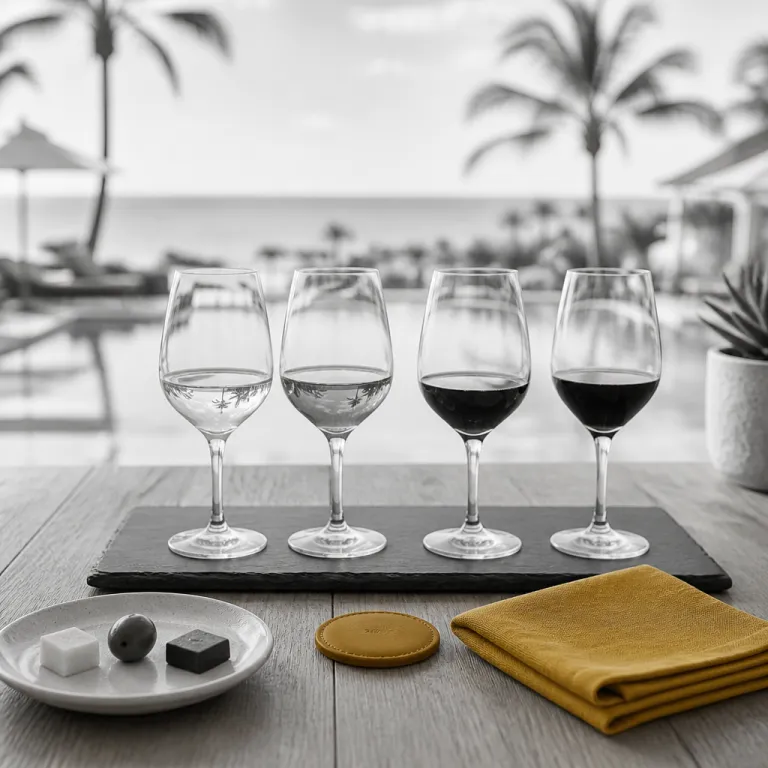
On the floor, this means the sommelier in the main dining room might greet you by name and suggest a cabernet sauvignon because you lingered over one at the ranch style grill the previous night. They will adjust wine pairings when they see you finish the white wines faster than the reds, or steer you toward wine tasting flights that match your pace. The result is all inclusive resort wine sommelier dining that feels closer to fine dining in a city restaurant with a deep wine list than to a typical resort rotation of restaurants.
How sommeliers and chefs build a memory of your palate
Behind the scenes, sommeliers, chefs and front of house staff work as a single équipe to track preferences ethically and intelligently. Training institutions now coach sommeliers in memory techniques, while digital reservation systems and CRM software quietly log which wines guests order, which wine pairings they repeat and which dishes they send back. As one internal guideline puts it without embellishment ; “How do sommeliers remember guest preferences? Through training, notes, and digital systems.”
At culinary led resorts, the master sommelier often designs the wine list with personalization in mind, grouping wines not only by region but by texture and mood. A guest who enjoys a structured cabernet sauvignon at the steak restaurant might be guided toward a softer red in the Mediterranean dining room, with the sommelier explaining the wine food balance in plain language. Over several course dinners, this creates a tasting wine narrative that feels coherent, even when you move between restaurants with very different views and décor.
Chef in residence programs deepen this memory loop, especially at properties where visiting toques run a single service tasting menu for a season. Resorts that treat the chef in residence as a new resort tier, rather than a marketing stunt, often log which dishes solo guests praise most and then echo those flavours in other menus. Detailed feedback forms invite guests to communicate preferences, and the best teams actually read them, adjusting the rotating menu and wine pairings in the main dining spaces within days.
Solo explorers, chef’s counters and the single cover done well
For the solo explorer, all inclusive resort wine sommelier dining can either feel like a quiet luxury or a lonely line in the dining room. The difference lies in how the restaurant treats the single cover at the chef’s counter, at the omakase style bar or at a window table with grand ocean views. Resorts that understand this guest profile often seat solo diners where the sommelier and chef can interact naturally, turning a simple course dinner into a conversation about the wine list and the tasting menu.
In these properties, the sommelier does not default to half bottles or by the glass compromises ; they design wine pairings that work for one, sometimes pouring smaller measures of several wines instead of a full bottle. A solo guest might taste three different cabernet sauvignon expressions across three courses, guided through a mini wine tasting that feels tailored rather than leftover. When the master sommelier or senior wine équipe recognises the same guest at another restaurant on property, they can reference that earlier tasting wine moment and build on it.
Chef’s counters and intimate fine dining rooms are where this approach shines, especially at resorts whose chef’s tasting menu genuinely rivals the restaurant across the road you will never need. Here, the main dining choreography is tight ; the kitchen paces each course with the sommelier’s wine pairing, and the guest’s reactions become live data for the next night’s menu. For solo travellers, this level of attention often becomes the reason to rebook the same hotel rather than chase the next new opening.
From Ikos to california ranches : wine led all inclusive benchmarks
Some of the clearest benchmarks for all inclusive resort wine sommelier dining now come from Mediterranean and california properties that treat wine as a central narrative. Ikos Resorts, for example, offers menus crafted by Michelin starred chefs alongside a cellar of more than three hundred labels, giving sommeliers the tools to build nuanced wine pairings over a full week. Guests can move between restaurants with very different views and cuisines, yet still feel a consistent wine food philosophy running through each dining experience.
In california, several coastal and ranch style all inclusive resorts have quietly raised the bar by hiring master sommelier talent and investing in serious list wines. A guest might spend the morning horseback riding through vineyards, then sit down in the main dining room to a tasting menu that references the same cabernet sauvignon they saw on the vine. When a property earns an award for excellence from a respected guide or a strong rating from Wine Spectator, it usually reflects this depth of integration rather than just a long wine list.
For travellers comparing options, the most useful news is that the number of restaurants matters less than how those restaurants talk to each other. Look for signs that the hotel treats its wine program as a single ecosystem ; one where a preference logged at the ranch grill informs the pairing at the fine dining room two nights later. Articles that analyse how major brands now position all inclusive as a core category can help you read between the lines of marketing language and focus on the culinary substance.
The repeat guest loop : when memory drives rebooking
Once a resort has the systems and the talent, the real magic of all inclusive resort wine sommelier dining appears on the second stay. Guests who return to the same hotel often find that the maître d’hôtel already knows their preferred corner of the dining room and that the sommelier has pre selected a few wines based on past notes. This is where the shift from counting restaurants to valuing memory becomes obvious.
Top properties use CRM données, reservation histories and discreet staff notes to build what you might call a palate profile, always within clear privacy rules. If you previously praised the rotating menu at the Asian restaurant and ordered wine pairings heavy on aromatic whites, the team will likely steer you toward a new tasting menu that plays to those strengths. When a resort remembers that you celebrated a special occasion with a particular cabernet sauvignon, then quietly sends a glass to your table on your next visit, loyalty is no longer abstract.
For travellers choosing between similar looking all inclusive offers, this repeat guest loop is a powerful differentiator. A resort that invests in training its sommeliers and chefs to read feedback, adjust the wine list and refine the main dining choreography will almost always deliver a more coherent dining experience than one that simply adds more restaurants. Over time, the properties that treat wine tasting, wine pairing and food memory as core to their identity will be the ones guests talk about long after the wristbands are cut.
FAQ
How can I tell if a resort takes its sommelier program seriously ?
Look for signs of structure and recognition rather than just a long list of wines. A serious program usually features at least one master sommelier or advanced level professional, a clearly organised wine list and staff who can explain wine food pairings without jargon. Awards for excellence from respected guides or mentions from publications such as Wine Spectator can also indicate depth rather than marketing.
What should I share in advance to get better wine pairings ?
Before arrival or at your first dinner, tell the sommelier which styles of wine you usually enjoy, any dislikes and your budget comfort zone. Mention if you prefer by the glass tastings, full bottle service or a structured tasting menu with pairings across several courses. The more specific you are, the easier it is for the équipe to build a personalised dining experience over your stay.
Are solo travellers treated differently in fine dining rooms ?
At culinary forward all inclusive resorts, solo guests are increasingly seen as ideal diners rather than afterthoughts. Many properties now offer counter seating, chef’s tables for one and tailored wine tasting flights that work without a sharing partner. If you travel alone, note this preference in your reservation so the hotel can plan seating and sommelier attention accordingly.
How do resorts balance local sourcing with consistent quality ?
Leading properties usually combine local ingredients with a few imported staples to keep standards stable. Chefs may build the main dining menus around regional produce and seafood, then use imported items only where local alternatives would compromise quality. Sommeliers follow a similar logic, highlighting local wines where they shine and supplementing them with international bottles to complete the range.
What can I do if the wine list feels overwhelming ?
Ask the sommelier for a short list of three options that match your taste and the food you have chosen. A good professional will narrow the wine list quickly, explain the differences in clear terms and suggest flexible wine pairing options such as half bottles or mixed flights. This approach turns a complex list into a focused, enjoyable part of your dining room experience.