The new language of quiet luxury in all inclusive hospitality
Luxury all inclusive hospitality is entering a quieter era where acoustic thinking is as prized as thread count. In the most refined luxury hotels, the guest experience now begins with a carefully tuned soundscape that frames every room, corridor, and terrace in deliberate silence rather than background noise. For luxury travelers who value restoration as much as rare spirits, this shift in luxury resort acoustic design silence is becoming a decisive booking factor.
Instead of equating value with constant entertainment, top luxury hotel operators are investing in acoustic design that balances vibrant public spaces with genuinely quiet guest rooms. The aim is not to remove sound, but to choreograph sound transmission so that laughter at the bar never reaches the hotel room where a guest is trying to sleep after a long day of travel. This is quiet luxury expressed through materials, layouts, and acoustic performance rather than only through marble and branded amenities.
For couples planning luxury travel, the most interesting hotels are those where silence feels intentional, not accidental. You notice it when the solid core doors close with a soft thud, when the air conditioning hum is barely perceptible, and when public spaces feel alive without bleeding noise into private rooms. In this new generation of luxury hospitality, acoustic comfort is treated as a core promise of the stay, not a nice to have detail buried in the design brief.
From echoing lobbies to open air arrivals and curated silence
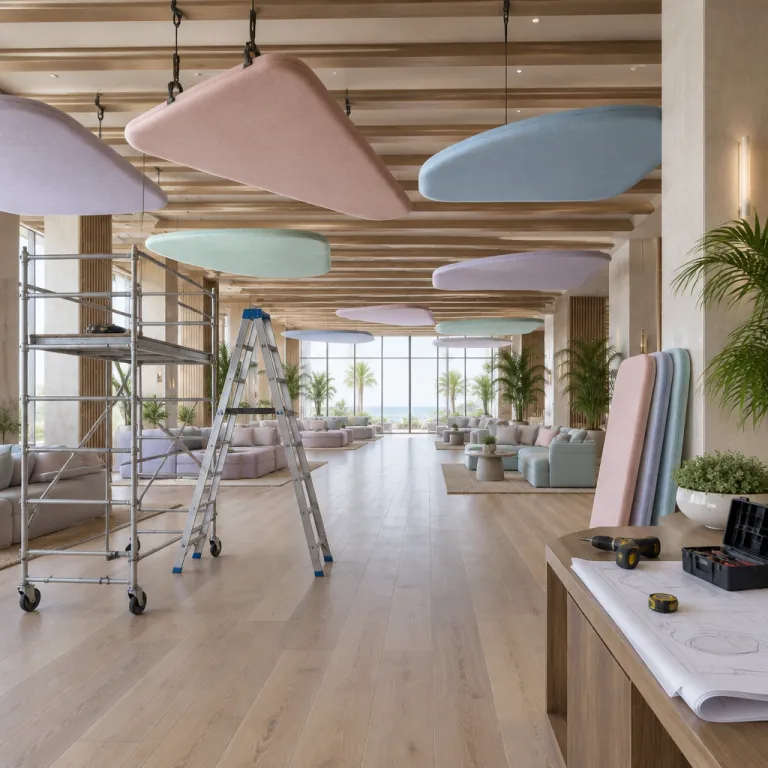
Walk into a traditional resort hotel lobby and you often meet hard stone floors, high ceilings, and a wash of sound bouncing between check in desks and bar seating. The latest wave of luxury hotels is replacing that echo with open air arrival halls where acoustic panels are disguised as timber slats, woven ceilings, or thatched structures that diffuse sound. This shift in acoustic design is as much about psychology as physics, because the first impression of silence tells guests that their experience has been considered from the moment they step through the doors.
In many coastal all inclusive hotels, architects now use open sided pavilions where the primary sound is wind through palms rather than clattering luggage. These spaces rely on sound absorbing finishes, soft landscaping, and careful zoning so that the check in area feels calm even when several guests arrive at once. Articles on curated silence as a design language show how these open air concepts can create high performance acoustic comfort without closing guests off from the natural environment.
For couples, the effect is immediate and deeply sensory, because the transition from airport noise to resort silence becomes part of the luxury travel narrative. You hear the difference in how staff speak, how music is placed only where it directly serves the guest experience, and how public spaces feel generous in volume yet surprisingly quiet. This is luxury resort acoustic design silence working at the emotional core of hospitality, setting the tone for everything that follows in the hotel room and beyond.
Acoustic zoning in 300 room resorts: how silence is engineered
At scale, true quiet luxury depends on rigorous acoustic zoning that separates lively areas from rest focused wings. In a 300 room all inclusive hotel, planners now map sound transmission the way they once mapped plumbing, ensuring that entertainment stages, family pools, and late night bars sit on a different acoustic core from wellness suites and adult only guest rooms. The result is a resort that feels vibrant in parts yet offers deep silence where couples most need it.
High performance acoustic design starts with the building structure, using solid core walls, insulated slabs, and core doors that seal properly around every hotel room. Guest rooms in quiet zones are often stacked away from service elevators, with sound absorbing materials behind headboards and acoustic panels hidden in ceilings to reduce both airborne and impact noise. This level of acoustic performance may never be mentioned in marketing copy, but it directly shapes how rested guests feel after several nights of luxury travel.
Resorts experimenting with extended suite living, as seen in residential style all inclusive architecture, push this thinking further by treating each cluster of rooms as a micro neighborhood with its own sound rules. Couples who book these spaces often report that the silence feels more like a private residence than a large hotel, even when public spaces remain animated. For luxury travelers comparing top luxury hotels, asking how acoustic zoning is handled can reveal more about the real guest experience than any list of amenities.
The adults only advantage and the paradox of vibrant quiet
Adults only all inclusive hotels have a structural advantage when it comes to luxury resort acoustic design silence, because the absence of young children simplifies the sound equation. Designers can position spa suites, wellness pools, and romantic guest rooms closer to public spaces without the same risk of sudden high pitched noise. This allows luxury hospitality teams to create a more seamless flow between quiet rooms and social areas while still protecting acoustic comfort.
The most sophisticated luxury hotel projects embrace a paradox, where the resort feels vibrant and social without ever feeling loud. They achieve this by managing sound spatially rather than only by curfews, placing live music in acoustically contained courtyards, using sound absorbing landscaping, and orienting hotel room balconies away from the main entertainment axis. In these properties, quiet luxury is not about emptiness, but about giving guests control over when and how they encounter sound.
For couples, this means you can enjoy a late dinner with music, then walk a few minutes back to guest rooms where only the sea and soft air remain. Luxury travelers who value sleep should ask about adults only wings, solid core doors, and whether acoustic panels are used in corridors to dampen late night footsteps. When a luxury hotel can feel both alive and hushed in the same evening, you are experiencing acoustic design as a true core competency of modern hospitality.
What couples should ask before booking for real acoustic comfort
Silence is rarely listed as an amenity, so couples need precise questions when choosing a hotel for a romantic stay. Start by asking whether guest rooms are located above or beside entertainment venues, and whether the property offers quiet zones or wellness wings that prioritize acoustic comfort. Clarify if the hotel room you are considering has solid core doors, double glazing, and any documented acoustic performance rating, because these details strongly influence the guest experience.
It is worth asking how the resort manages sound in public spaces, including whether acoustic panels or sound absorbing finishes are used in restaurants, lounges, and corridors. A property that takes luxury resort acoustic design silence seriously will usually have clear answers about zoning, materials, and how noise complaints are handled, which speaks directly to its culture of hospitality. For luxury travelers, this level of transparency separates top luxury hotels from those that rely only on visuals to sell the stay.
When you speak with reservations, listen for how staff describe the experience rather than only the amenities they list. If they can explain which rooms are best for light sleepers, how core doors help reduce sound transmission, and how they place directly guest feedback at the center of ongoing improvements, you are likely dealing with a mature luxury hospitality operation. In a market crowded with hotels promising everything, the quiet confidence of a luxury hotel that can talk calmly about silence may be the most persuasive detail of all.
FAQ
How can I tell if a resort has good acoustic design before I arrive ?
Look for specific mentions of acoustic design, quiet zones, or soundproofed guest rooms in the hotel description rather than vague promises of tranquility. When you contact the property, ask directly about solid core doors, double glazed windows, and whether entertainment venues share walls or floors with guest rooms. A resort that has invested in luxury resort acoustic design silence will usually be able to describe its acoustic performance in clear, practical terms.
Which room locations are usually quietest in large all inclusive hotels ?
In most large hotels, rooms away from the main pool, stage, and lobby bar tend to offer better acoustic comfort. Ask for guest rooms on higher floors, at the end of corridors, or in wings designated for wellness or adults only stays. Avoid hotel room categories directly above restaurants or public spaces with hard surfaces, because these often transmit more noise into the rooms.
Are adults only all inclusive resorts always quieter than family properties ?
Adults only hotels generally have fewer sudden high energy sounds, which helps with overall silence, but design still matters. A poorly planned adults only luxury hotel with thin walls and hollow core doors can feel louder than a well designed family resort with strong acoustic performance. Treat the adults only label as a helpful starting point, then ask detailed questions about acoustic zoning and materials.
What materials should I listen for when staff describe quiet luxury features ?
Key indicators include solid core doors, insulated walls, acoustic panels in ceilings, and sound absorbing fabrics or wall treatments in corridors and public spaces. When a hotel mentions double glazing, decoupled walls, or specific sound transmission ratings, it signals a serious approach to acoustic comfort. These details show that luxury hospitality is being defined by engineering as much as by aesthetics.
Can I request a quieter room if I am a light sleeper ?
Yes, and you should make that request at the time of booking and again before arrival. Ask for guest rooms away from elevators, service areas, and entertainment venues, and mention that acoustic comfort is a priority for your stay. Many top luxury hotels keep a small inventory of especially quiet rooms for directly guest requests, and they can often accommodate light sleepers when given clear notice.